AI in facial recognition
Facial recognition systems trained on narrow datasets struggle to accurately identify people of colour and diverse accents—revealing why diversity in training data isn't optional, it's essential.

About This Documentary
Concrete, relatable failures in facial and voice recognition trigger strong responses and personal anecdotes. There are several cases that connect cause (narrow data) to effect (misrecognition) clearly. Ethical urgency and fairness themes resonate widely. Diversity in data acquisition, compilation and training must be a requirement. Why do some AIs see white faces better—or struggle with accents? Training sets missed diversity. When algorithms learn a narrow world, they misread the rest. Inclusion isn't a feature; it's a requirement.
Key Insights
Deep dive into real-world examples and case studies
Evidence-based framework connections and practical applications
Actionable takeaways for immediate implementation
Topics Covered
Framework Connection
This video directly supports Pillar 1 of the Bridge Framework: Bias & Fairness
Explore Full FrameworkYou Might Also Like
AI PicksBased on topics, keywords, and content similarity

AI Unchecked | Unregulated Untested and In Our Life | The Urgent Need to Regulate AI | Video Essay

Diversity in Artificial Intelligence (AI) Overcoming Bias through Inclusivity | Video Essay Analysis
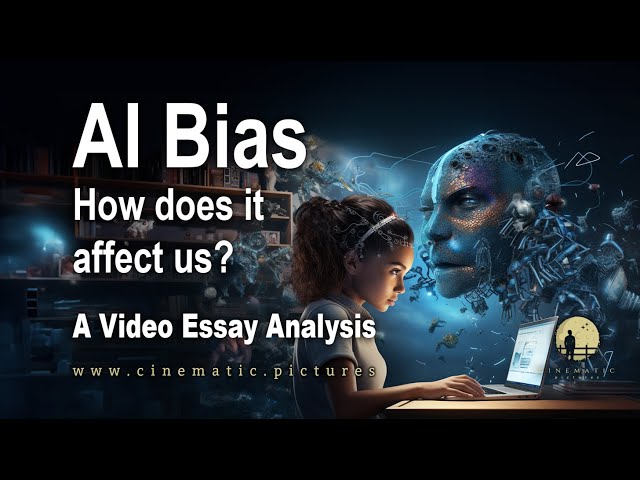
AI Bias & Societal Implications: How does it affect us? | Diversity & Inclusivity in AI | Essay
Ready to Get Started?
Assess your organisation's AI governance maturity and get personalised recommendations.
Take AssessmentYou're one step away from:
Enter your email — we'll send an instant magic link. No password needed.
Check your inbox
Secure link sent to
Expires in 15 mins · Check spam if needed
Direct presenter and client playback access. Enter credentials below.
Access Unlocked
Authorised Presenter Mode Active.
Reloading physical interfaces...
For teams, universities, and public-sector bodies seeking institutional access.
Request received
Our team will be in touch within 1 business day.
Includes resources from
Your data is never shared. Privacy Policy